
REVIEW · RUM TOURS
Pigs and Rum Cooking Class
Pork, rum, and a good meal make a fine morning. This 3.5-hour Huatulco cooking class gives you a hands-on way to learn about two important parts of Mexican food culture, then sit down to eat what you made. I especially like the small maximum group of 16 and the included pickup and return from anywhere in Huatulco.
The menu also has real substance. You make cochinita pibil with achiote, corn fritters, pickled onion and habanero, nopal and radish salad, and a rum cocktail. The main drawback is the early 9:00 a.m. start, which may feel brisk if you are on holiday mode or staying far from central Huatulco.
Key Details at a Glance
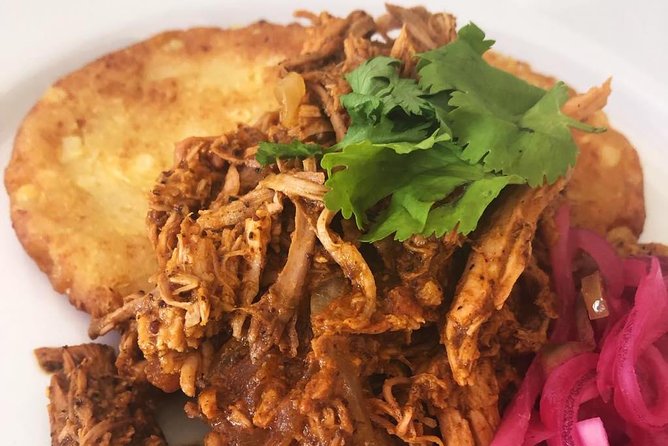
- Cochinita pibil is the centerpiece: You prepare slow-roasted pork in achiote, a classic dish with bold seasoning and a long cooking tradition.
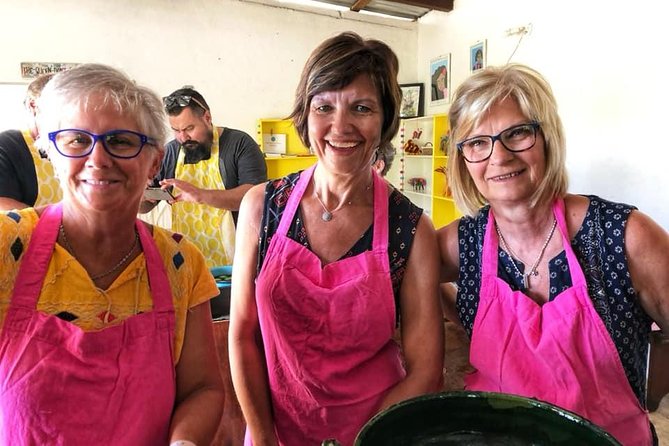
- The class is genuinely hands-on: You follow the chef while making several dishes rather than simply watching a demonstration.
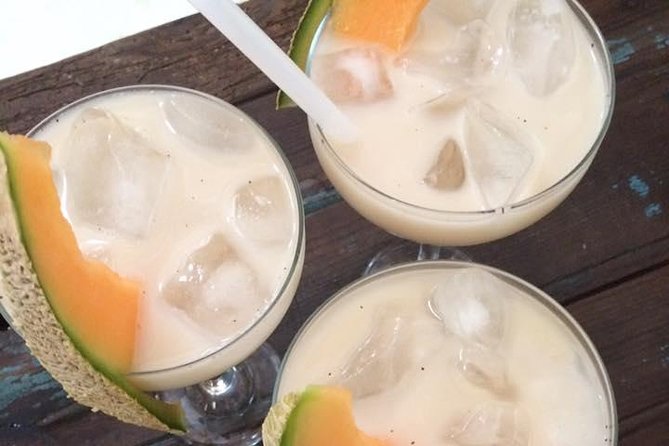
- Rum is part of the lesson and the table: The class covers rum’s place in Mexico and includes a handcrafted rum cocktail.
- Pickup is included across Huatulco: Round-trip transportation from your lodging keeps the morning simple.
- The meal is part of the experience: You finish by sitting down to eat the food and drink you helped prepare.
- English is offered: The instructor has also been praised for speaking fluent English and Spanish.
Why This Huatulco Cooking Class Is Worth Your Morning
Cooking classes can be a good break from sightseeing. Instead of looking at another menu, you learn what goes into the food on your plate. This class focuses on dishes that tell a larger story about Mexico: pork brought new cooking traditions, achiote adds color and earthiness, corn remains a central staple, and rum brings a separate colonial and Caribbean thread to the table.
I like the balance here. You are not asked to spend an entire day in a kitchen, but the 3-hour-30-minute schedule gives enough time to prepare several dishes and eat afterward. A short demonstration would leave you with a snack and a few photos. This format gives you recipes and techniques you can try at home.
The class also avoids the feel of a hurried group outing. With a maximum of 16 people, the chef has a better chance of giving clear instructions and correcting small mistakes. That matters when you are working with dough, pork seasoning, pickled vegetables, and a cocktail all in the same session.
The price is $115 per person. That is not a cheap meal, but it covers a half-day activity, instruction, several dishes, a drink, and transportation from your lodging. If you value a practical cultural experience and would otherwise pay for both a meal and a separate activity, the price is reasonable. If you only want to eat Mexican food without cooking, you can find less expensive options elsewhere.
More Cooking Classes in the world:
- Nicole’s Table – Cooking with Rum
★ 5.0 · 112 reviews - St. John’s: Rum Cooking Class with 6 Rum Tastings
★ 5.0 · 6 reviews
Starting at 9:00 a.m. With Pickup in Huatulco
Your morning begins with pickup from anywhere in Huatulco. The service includes a return trip after class, so you do not need to arrange a taxi in both directions or work out unfamiliar local transport before breakfast.
The exact pickup time may depend on your lodging and the transfer route, but the class itself starts at 9:00 a.m. I would be ready early and keep the morning free until around lunchtime. Since the total activity lasts approximately 3.5 hours, this is not a quick breakfast stop.
Included transport adds practical value, especially if you are staying outside the immediate area or do not have a rental car. It also makes the class easier to fit into a short Huatulco stay. You can cook in the morning and still have much of the afternoon available.
Confirmation is sent within 48 hours of booking, subject to availability. That means I would avoid booking it at the last possible moment, especially during a busy holiday period. The activity is commonly reserved about 18 days ahead, so planning a couple of weeks early is sensible.
Learning the Story Behind Pork and Rum
The class begins with the history of pork and rum in Mexico. That context gives the cooking more meaning than a simple list of ingredients.
Pork is central to the main dish, cochinita pibil. The name is closely tied to the preparation of pork in achiote and slow cooking. Achiote provides the familiar red-orange color and a distinctive earthy flavor. The dish takes patience, and the class uses it as the main lesson rather than treating pork as a generic filling.
Rum offers a different thread. The class explains its place in Mexican food and drink, then turns that subject into a cocktail you can enjoy with the meal. This is a useful pairing because you learn about rum in a culinary setting, not just as a mixed drink on a resort menu.
The historical portion is likely most useful for people who enjoy knowing why a dish tastes the way it does. It also helps you recognize the difference between a traditional preparation and a casual restaurant shortcut. The available details do not promise a long lecture, so expect the background to support the cooking rather than replace it.
Making Cochinita Pibil With Achiote
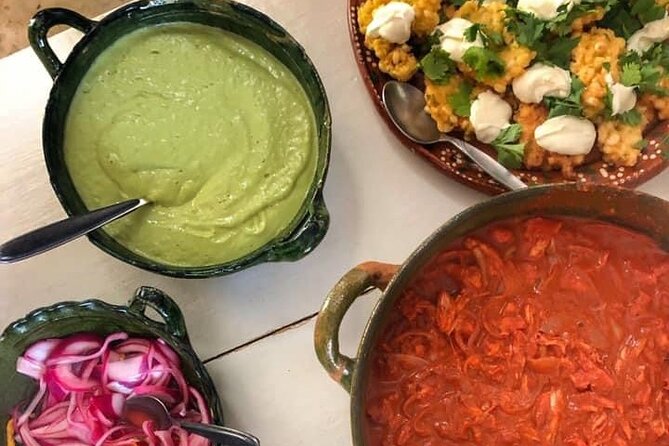
Cochinita pibil is the main event. You prepare pork in achiote, following the chef’s instructions as the dish comes together.
The appeal of this part is that you get to work with a preparation that has more character than a basic taco filling. The achiote seasoning gives the pork its signature color and flavor, while slow roasting develops the tender texture associated with the dish. You may not reproduce the exact cooking time during the class, since the pork requires extended cooking, but the session teaches the key ingredients and process.
This is the dish I would pay closest attention to if you cook at home. Ask about the achiote mixture, how the pork is seasoned, and how the final texture is judged. The provided menu confirms the dish includes pork in achiote, but it does not specify every ingredient or cooking tool, so the chef’s demonstration will be the best source for those details.
The finished cochinita pibil becomes the main course at dinner. That makes the lesson feel complete. You are not preparing food only for practice. You are building the meal you will later eat.
A few more rum tours around the world worth a look
- Rum Tasting Tour at Casa BACARDÍ in Puerto Rico
★ 4.5 · 1,095 reviews - Rum Tasting and Food Walking Tour in Nassau Bahamas
★ 5.0 · 1,030 reviews - Rio: Pub Crawl in Lapa with Cachaça Tasting and Live Samba
★ 4.7 · 881 reviews - Full-Day Tour: Concord Waterfall, Chocolate Factory, Rum Distillery, Grand Etang
★ 5.0 · 871 reviews
Corn Fritters, Pickled Onion, and Habanero
The starter is corn fritters, a smart choice for a class because it lets you work with a familiar Mexican staple in a different form. The technique should be approachable, and the result gives the meal a warm, savory opening.
The class also includes pickled onion and habanero. This side brings acidity and heat to the pork. Pickling helps cut through the richness of slow-cooked meat, while habanero adds a serious level of spice. If you are sensitive to heat, pay attention to how much habanero goes into the mixture. You should be able to adjust your portion at the table, but the supplied details do not promise a mild version.
The combination is useful beyond this one menu. A sharp onion relish can brighten tacos, grilled meat, rice, and beans. You leave with an idea that can serve many other meals, not just a recipe tied to one dish.
Nopal and Radish Salad for Fresh Contrast
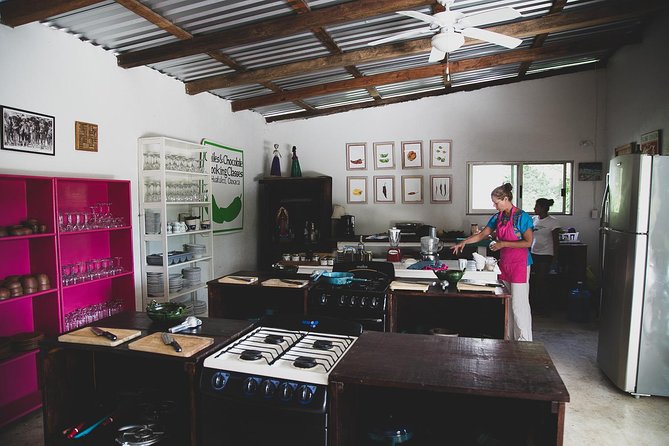
The nopal and radish salad supplies a cooler, fresher element beside the pork and fritters. Nopal, or cactus, is a familiar ingredient in Mexican cooking but may be new to some people cooking at home.
This is one of the class’s better choices because the menu is not built entirely around heavy food. The pork brings richness, the fritters bring a crisp or savory starter, and the salad adds a cleaner contrast. Radish also contributes crunch and a peppery edge.
The description does not list the full dressing or preparation method, so you should listen closely during this part of the class. Pay attention to how the nopal is cleaned and prepared. That practical detail can be more useful than a general explanation, especially if you want to find nopal at a market or Mexican grocery store later.
Finishing With a Handcrafted Rum Cocktail
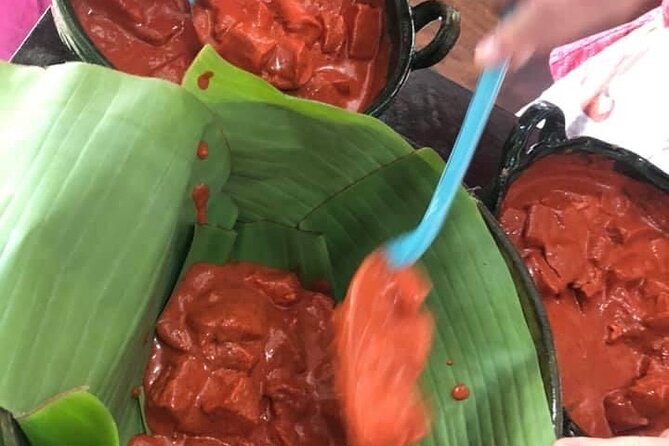
The class ends with a rum cocktail made as part of the lesson. This is more interesting than simply receiving a drink with dinner because you get to see how the cocktail is built.
Rum’s flavor can change a great deal depending on the other ingredients, and a cooking class gives the drink a direct connection to the food. A handcrafted cocktail can also show how a sweet or warming spirit works alongside spicy habanero, sour pickled onion, and seasoned pork.
The available information does not name the cocktail or list its ingredients, so I would not expect a fixed recipe in advance. If you enjoy making drinks at home, take note of the proportions and ask how the cocktail should be adjusted for a stronger or lighter pour.
Alcohol is part of the experience, so consider that when planning the rest of your day. The class provides a rum cocktail, but there is no stated information about substitute drinks or additional beverage choices.
Eating the Meal You Prepared
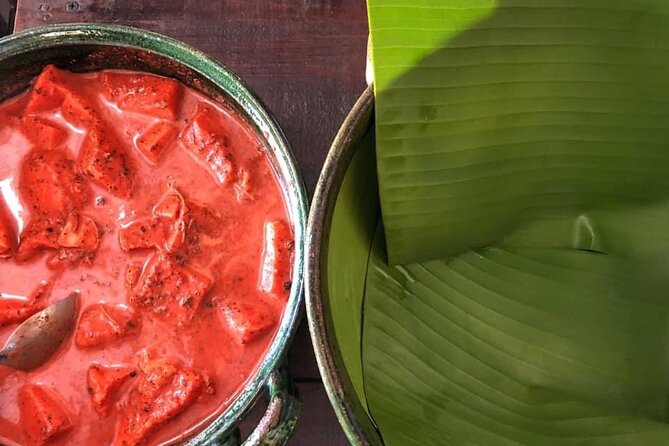
After the cooking, you sit down for dinner. The meal includes cochinita pibil, the corn fritters, the pickled onion and habanero, the nopal and radish salad, and the rum cocktail.
This final meal is where the class earns much of its value. You can taste the results while the steps are still fresh in your mind. If the pork needs more seasoning or the fritters turn out differently than expected, you can ask about it right away.
One especially useful detail comes from the strongest feedback for the class: the food was praised as very good, and the instruction was described as hands-on. The instructor was also praised for fluency in both English and Spanish. For an English-speaking visitor, that reduces the worry of missing an important step or ingredient.
At the end, you should have more than a full stomach. You should have a better sense of how separate parts of a Mexican meal work together. The recipe for cochinita pibil may be the main souvenir, but the pickled onion, salad, and cocktail can be just as useful in your own kitchen.
Group Size, Language, and Pace
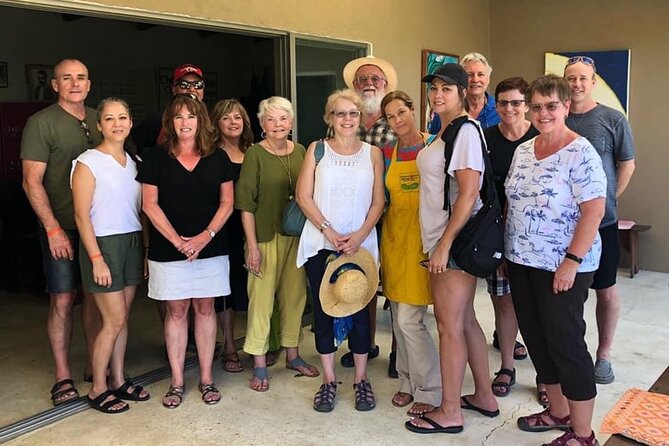
The class accepts a maximum of 16 people. That is small enough to feel manageable but large enough to have the energy of a shared activity. If you prefer private instruction, this is not advertised as a private class, so you should expect to cook alongside other people.
English is offered, and the instructor has been praised for fluent English and Spanish. That is important for a cooking class, where timing and technique matter. You need to understand whether something should be mixed, folded, seasoned, or left alone, not just recognize the name of a dish.
The pace should suit most people who want a structured activity rather than a rushed demonstration. Still, cooking with a group means you may spend some time waiting for the next instruction or sharing kitchen space. That is a normal tradeoff for a class with a maximum of 16 participants.
Service animals are allowed. The available information does not specify whether dietary substitutions are available, so ask before booking if you have food allergies, strict dietary needs, or concerns about pork or alcohol.
Who Will Like This Experience Most
I would recommend this class to you if you:
- Enjoy learning through food rather than only sightseeing
- Want to understand Mexican dishes well enough to recreate them
- Like pork, spicy condiments, corn-based dishes, and rum cocktails
- Prefer a small group over a large commercial activity
- Want transportation included from your Huatulco lodging
- Have a free morning and can manage a 9:00 a.m. start
I would think twice if you dislike pork, cannot drink alcohol, or want a relaxed late-morning schedule. The class is built around pork and includes a rum cocktail, so those are not minor details.
It may also be less suitable if your main goal is a long, formal lesson in Mexican culinary history. The history of pork and rum is included, but the heart of the experience is practical cooking and a shared meal.
Booking, Price, and Cancellation Advice
At $115 per person, the class sits in the mid-to-higher range for a half-day food activity. The cost makes more sense when you count the round-trip pickup, chef-led instruction, multiple prepared dishes, dinner, and cocktail. You are paying for an activity as well as food.
Free cancellation is available if you cancel at least 24 hours before the 9:00 a.m. start time. A cancellation made less than 24 hours before the activity is not refundable, and changes inside that window are not accepted. The cut-off follows local Huatulco time.
Because confirmation can take up to 48 hours and availability is limited, I would reserve before your trip rather than waiting until you arrive. The typical advance booking period of 18 days is another reason to plan ahead.
Should You Book the Pigs and Rum Cooking Class?
Yes, if you want an active food experience with a clear Mexican focus. The best reasons to book are the hands-on format, the well-chosen menu, the small maximum group, and the easy pickup service. The instructor’s fluent English and Spanish also make the class more approachable for English-speaking cooks.
The main cautions are the price, the early start, and the strong focus on pork and rum. If those fit your interests, this is a useful way to spend a Huatulco morning. You will eat well, learn recipes with a chance of making them again at home, and gain more context for the food than you would from ordering a plate at a restaurant.
FAQ
What time does the cooking class start?
The class starts at 9:00 a.m.
How long does the Pigs and Rum Cooking Class last?
The experience lasts approximately 3 hours and 30 minutes.
Is pickup included in Huatulco?
Yes. Pickup is offered from anywhere within Huatulco, with return transportation after the class.
What dishes are prepared?
You prepare cochinita pibil, or pork in achiote, corn fritters, pickled onion and habanero, nopal and radish salad, and a rum cocktail.
Is the class offered in English?
Yes. English is offered, and the instructor has been praised for speaking fluent English and Spanish.
How many people can join the class?
The activity has a maximum of 16 participants.
Just added around the world
- Appleton Estate Rum Tour and Tasting from Falmouth★ 4.5 · 2 reviews
- Kombucha Rum and Craft Beer Private Tour★ 3.5 · 6 reviews
- Appleton Estate Rum Tour and Tasting from Runaway Bay★ 5.0 · 3 reviews
- Old San Juan Private Tour with Barrilito Rum Experience★ 5.0 · 4 reviews
- Rum & Chocolate Tasting Tour : Journey into Flavor★ 5.0 · 6 reviews
- Guided Shopping Tour – Rum tasting, chocolate factory, Cigar factory★ 4.5 · 6 reviews
- Discover Dominican Treasures: Rum, Cigars, Coffee & Chocolate★ 3.0 · 5 reviews
- Puerto Plata: City Tour with Rum, Chocolate and Cigars★ 5.0 · 2 reviews
Rum Tours, compared.

Rum Tasting Tour at Casa BACARDÍ in Puerto Rico
Read our review →
Rum Tasting and Food Walking Tour in Nassau Bahamas
Read our review →
Pub Crawl in Lapa with Cachaça Tasting and Live Samba
Read our review →
Full-Day Tour: Concord Waterfall, Chocolate Factory, Rum Distillery, Grand Etang
Read our review →
Bundaberg Rum Behind The Scenes Distillery Tour And Museum Experience
Read our review →
Rum Reggae and Rhythms Tour: Dancing and Cocktails
Read our review →
The lists this tour appears in