
REVIEW · BRAZIL RUM TOURS
Paraty Historic District: Walking Tour with Cachaca Tasting
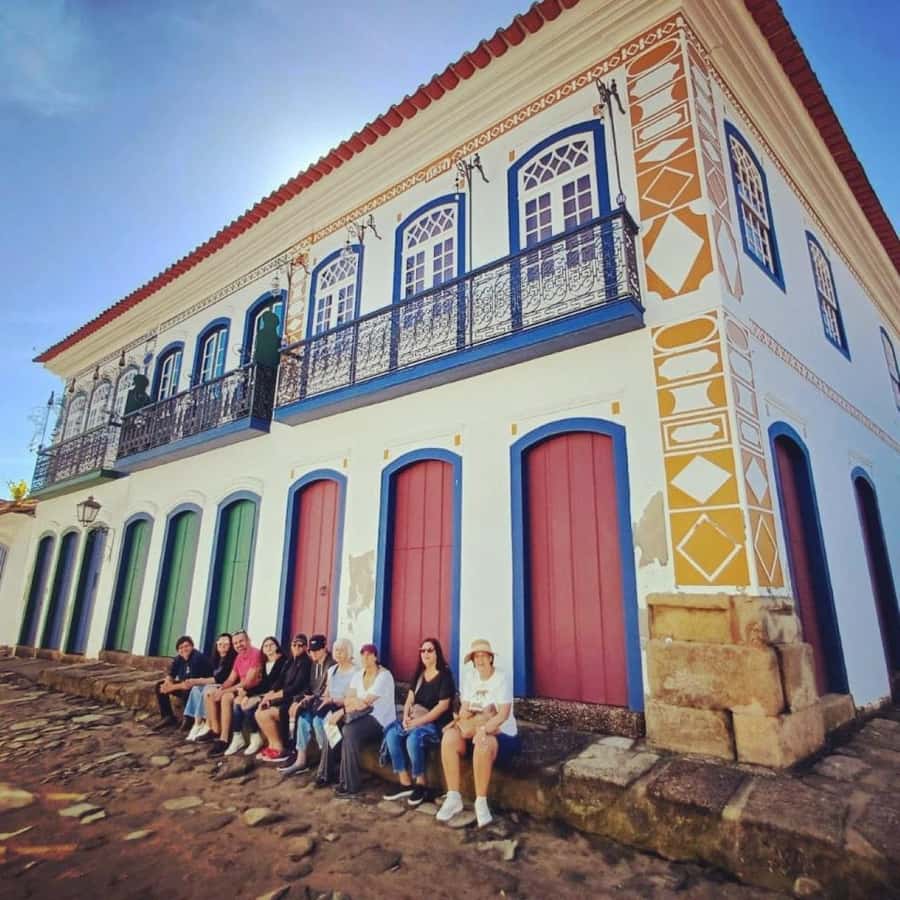
Paraty’s stones tell stories. This two-hour walk through the old center brings you past colonial buildings, churches, museums, craft houses, and art studios while explaining why Paraty is being considered for UNESCO World Heritage status. I like the way the tour connects architecture with local customs, especially the town’s Masonic influence, and I like the small-group limit of 10 people.
The cachaça tasting adds a distinctly Brazilian finish, and the $15 price is easy to justify if your guide gives the town’s past a clear shape. The main concern is consistency: one recent experience found the tour poorly organized, with unrelated shop stops and limited English, while another participant did not receive the promised tasting. Bring good shoes, too. Paraty’s old streets are famously uneven.
Key things to know before you book
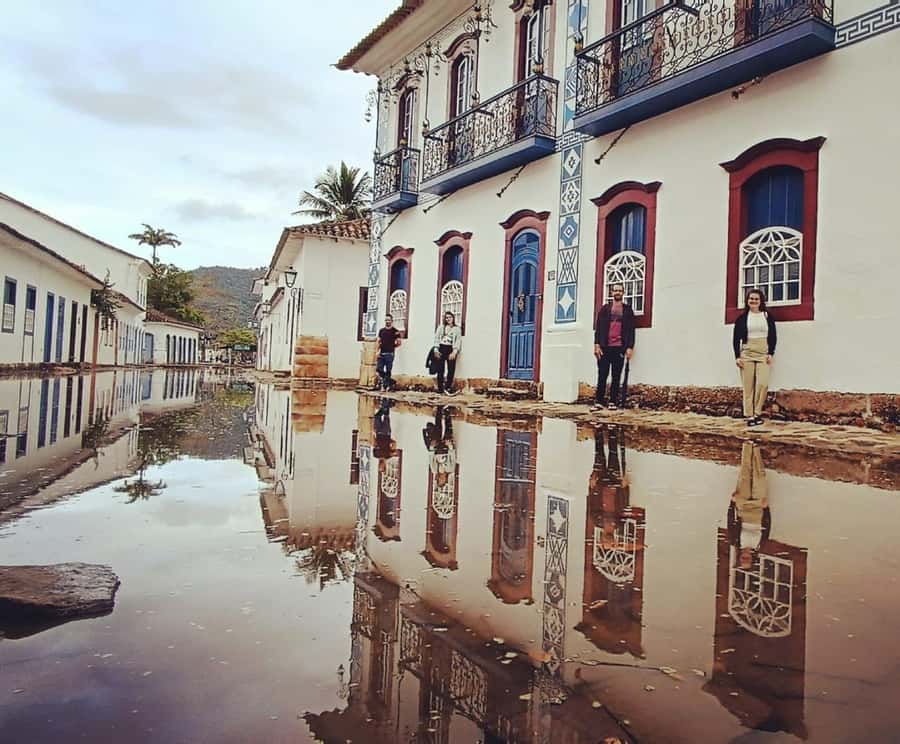
- Paraty’s colonial center: Walk cobbled streets lined with historic buildings, churches, cultural venues, shops, and studios.
- Masonic architecture: Learn how Masonic culture influenced the town’s design and visual details.
- A small group of up to 10: The format should make questions and pace adjustments easier than on a large coach tour.
- Cachaça tasting included: This typical Brazilian spirit is part of the planned experience, though it was missed on at least one visit.
- Two languages available: Tours are offered in English and Portuguese, but English fluency may vary by guide.
- Uneven walking conditions: Comfortable shoes are not optional here, especially if you are unused to old cobblestones.
Starting at Avenida Roberto Silveira
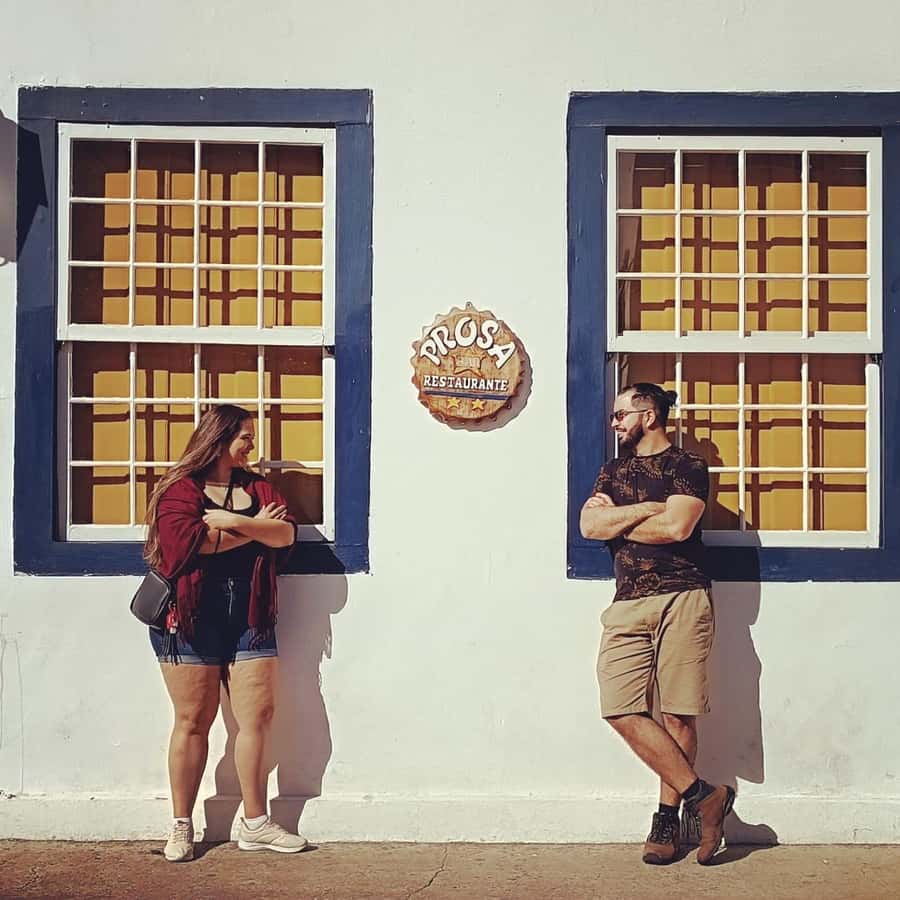
The tour begins at Paraty Tours at Avenida Roberto Silveira, 7, in Paraty. The exact meeting arrangement can vary with the option you choose, so check your booking details before setting out.
This is a simple place to start a town walk because the experience stays on foot. You do not spend your two hours loading onto a bus or driving between scattered sights. Instead, you enter Paraty’s Historic Center and let the town provide the scenery.
The group is limited to 10 participants. That matters in a place like Paraty, where narrow streets and small interiors can make a large group awkward. A small party also gives you a better chance to ask about a church detail, a local custom, or a story that catches your attention.
The pace appears to be adjustable. One participant specifically appreciated a guide who adapted to the group’s rhythm. That is useful if you want to stop for photographs, need a moment on the uneven stones, or prefer a slower walk through the historic quarter.
Still, do not confuse a small group with a guaranteed private tour. You are sharing the guide’s attention, and the quality depends heavily on who leads the outing that day.
More Cachaca and Rhum Agricole Tours in the world:
- Rio: Pub Crawl in Lapa with Cachaça Tasting and Live Samba
★ 4.7 · 881 reviews - Topper’s Rhum Distillery Tour in St Maarten
★ 5.0 · 784 reviews - Paraty: Jungle Waterfalls and Cachaça Distillery Jeep Tour
★ 4.7 · 491 reviews
Paraty’s streets are part of the attraction
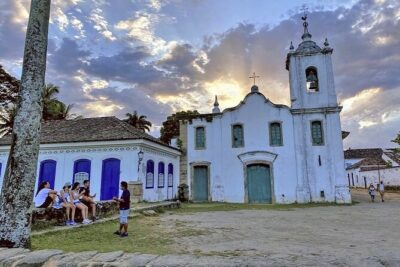
Paraty’s main pleasure is not one grand monument. It is the way the colonial streets, whitewashed buildings, churches, and tropical surroundings work together.
The walk takes you through the Historic Center, where the pavement itself changes the mood. Cobblestones slow you down. That is good for photographs and conversation, but less good for anyone wearing smooth-soled shoes. One person described the paths as very uneven and strongly advised good footwear. Take that advice seriously.
You will want comfortable clothes and sturdy walking shoes. The tour is not suitable for wheelchair users or people with mobility impairments, according to the activity information. The limitation is practical, not merely formal: uneven streets can be tiring and difficult to cross safely.
The old buildings also give the guide plenty to explain. You can expect stories about Paraty’s colonial roots, local legends, traditional festivals, artisan work, and the town’s place between the sea and Serra da Bocaina National Park. The surrounding scenery helps explain why the town feels different from a purely urban historic center.
Bring a camera, but do not spend the whole walk looking through it. Paraty’s best details can be small: a building front, a church entrance, a street alignment, or a view framed by old walls. The tour’s value comes from learning what you are seeing, not just collecting pictures.
Churches, museums, and cultural spaces
The route is designed to include Paraty’s historic churches, museum, Culture House, craft houses, and art studios. These stops give the walk more range than a simple architecture stroll.
The churches offer a look at the religious side of colonial Paraty. Even if your interest in church interiors is limited, they help explain the town’s social structure and its older traditions. Your guide should connect the buildings to the broader story rather than treating them as isolated photo stops.
The museum and Culture House add a cultural layer. A museum can help place local objects and customs in context, while a cultural center points toward Paraty as a living town rather than a preserved stage set. The supplied information does not promise a detailed museum visit or a specific exhibition, so think of these places as parts of the walking route rather than guaranteed long stops.
Craft houses and art studios are also included among the cultural attractions. This is where the tour can feel most local, particularly if the guide explains how handmade work and artistic traditions fit into the town’s identity.
There is one important qualification. One negative experience described frequent stops at shops that did not feel connected to the tour. That does not mean every departure follows the same pattern, but you should ask early if a stop is a genuine cultural visit, a shopping opportunity, or both. A little clarity can help you decide how much time you want to spend inside.
Masonic details hiding in plain sight
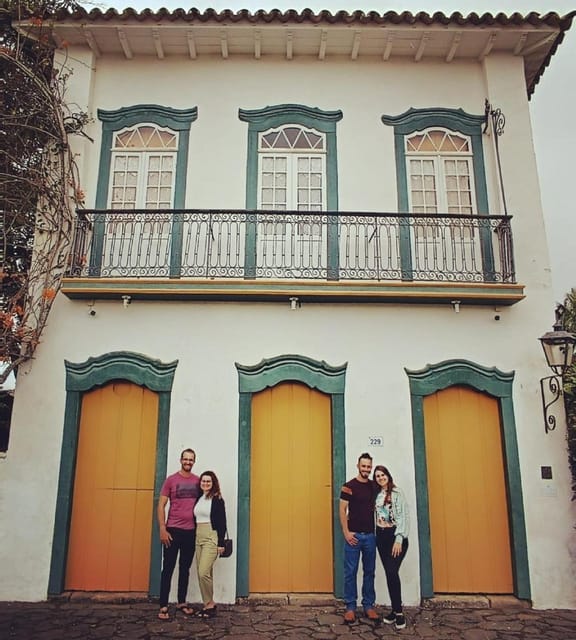
One of the more unusual parts of the tour is its attention to Masonic culture and its effect on Paraty’s architecture.
This topic gives the walk a sharper focus. Many colonial towns can blur together after you have seen a few churches and old facades. Masonic references offer a different way to read the streets, provided the guide points out specific features and explains their meaning in plain language.
The experience description promises stories about how Masonic culture shaped Paraty’s architecture and history. That makes this a worthwhile part of the tour for anyone who enjoys symbols, urban design, and the hidden logic of old buildings.
The quality of this section depends on communication. A recent participant felt the English explanations were difficult to follow and that questions were not answered well. Tours are offered in English and Portuguese, but English ability may vary from one guide to another. If you have a strong interest in this subject, ask questions early and listen for whether the guide is giving a structured explanation or simply pointing out disconnected facts.
More Rum Tastings in the world:
- Rum Tasting Tour at Casa BACARDÍ in Puerto Rico
★ 4.5 · 1,095 reviews - Rum Tasting and Food Walking Tour in Nassau Bahamas
★ 5.0 · 1,030 reviews - Mount Gay Signature Rum Tasting Experience
★ 5.0 · 640 reviews - 101 Oliver Rum Tasting & Pairing And Taino Concept Store
★ 5.0 · 244 reviews
Stories, legends, and the problem of tour flow
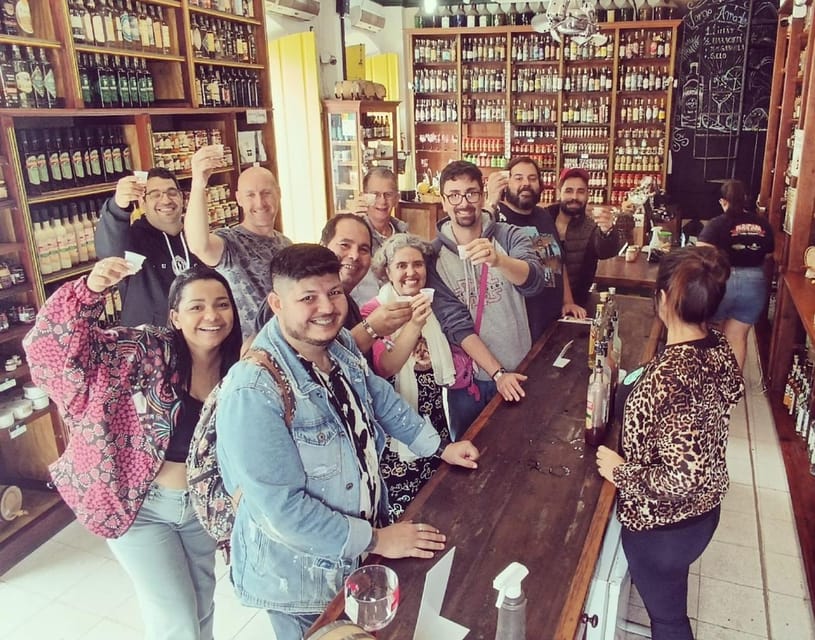
A good guide can turn a short walk into a clear story. Paraty’s past includes colonial development, cultural traditions, legends, religious buildings, craft work, and the town’s hoped-for World Heritage recognition. The two-hour format gives enough time to connect these pieces without taking up an entire morning.
The strongest experiences appear to be the ones where the guide makes the information feel personal and easy to follow. Several people found the walk informative, interesting, or simply very enjoyable. One person described the guide as excellent, while another appreciated the guide’s ability to adjust the pace.
But the tour is not automatically polished. One participant felt the guide offered random facts about whatever happened to be nearby rather than following a clear route or story. That criticism matters because a walking tour can become tiring when each stop feels unrelated to the last.
I would approach this as a compact introduction rather than a formal history lecture. If you want a smooth narrative, help the guide by asking questions such as:
- How did Paraty develop as a colonial town?
- Which buildings best show Masonic influence?
- Why is the town being considered for World Heritage status?
- Which local festival or craft tradition is most important today?
These questions invite the guide to connect the details. They also help you judge quickly how comfortable the guide is with English and with the subject.
The cachaça tasting adds local flavor
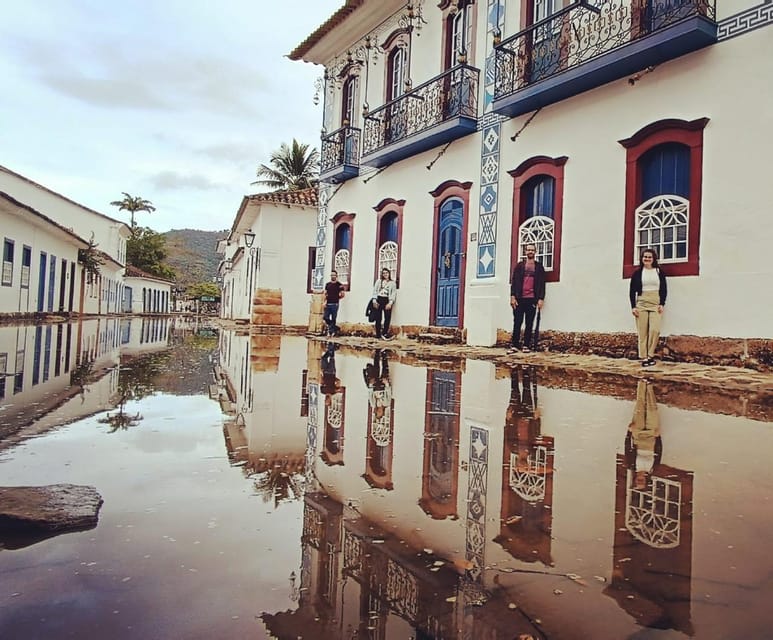
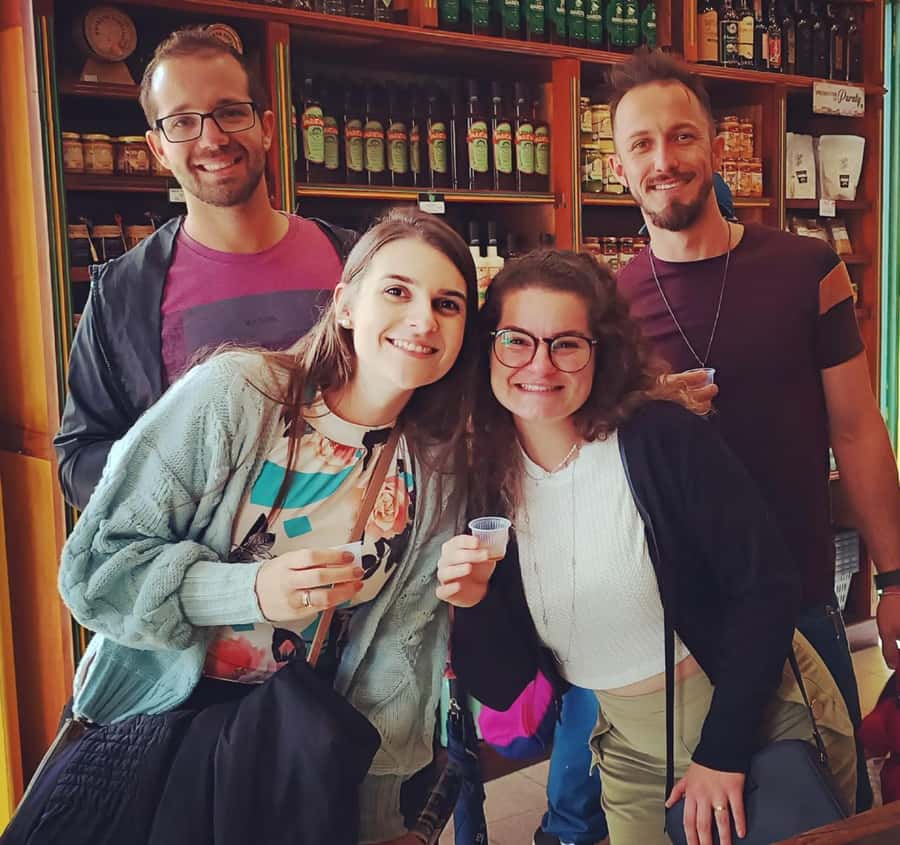
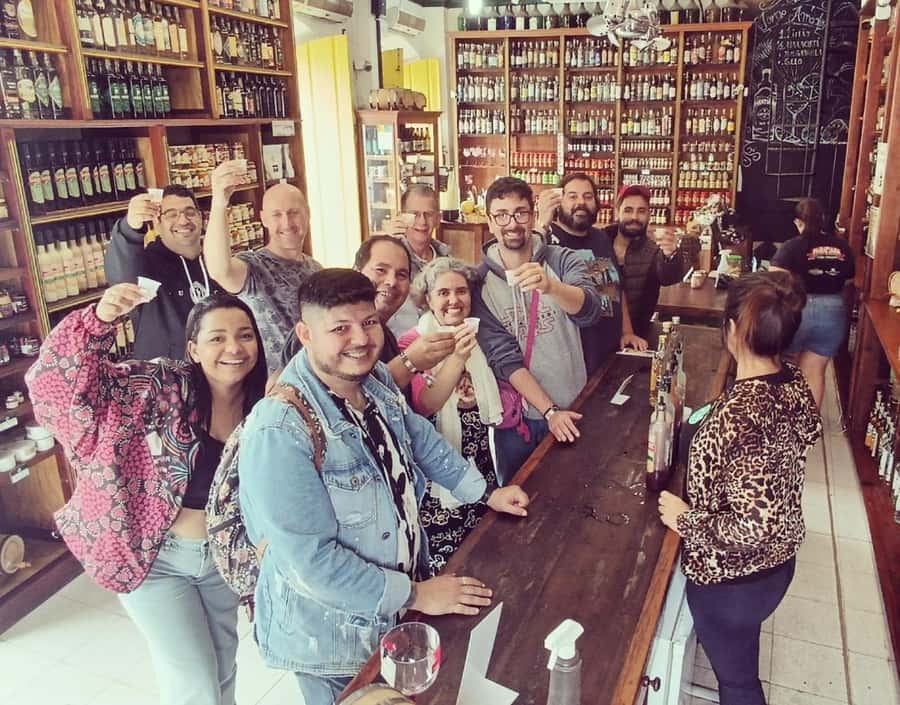
Cachaça is a typical Brazilian drink made from sugarcane, and the tasting is included in the advertised price. It gives the tour a pleasant local finish because you are not only looking at Paraty’s culture, you are sampling one of Brazil’s best-known spirits.
At $15 per person, the tasting helps the experience feel like more than a basic orientation walk. You are paying for a guide, two hours of local context, and a small cultural sample. If you were already planning to visit a cachaça shop or tasting room, this may also save you from arranging a separate introduction.
However, the tasting should be treated as a promised feature that deserves confirmation. One participant said it did not happen. The available information does not explain why, so I would ask at the beginning when and where it will take place. If you do not drink alcohol, you can still benefit from the history and architecture, but the tasting will not add much value to your visit.
The experience does not say that food is included, so do not expect a meal or a full pairing session. Think of this as a brief taste connected to Brazilian culture, not a dedicated spirits course.
Is $15 a fair price for two hours?
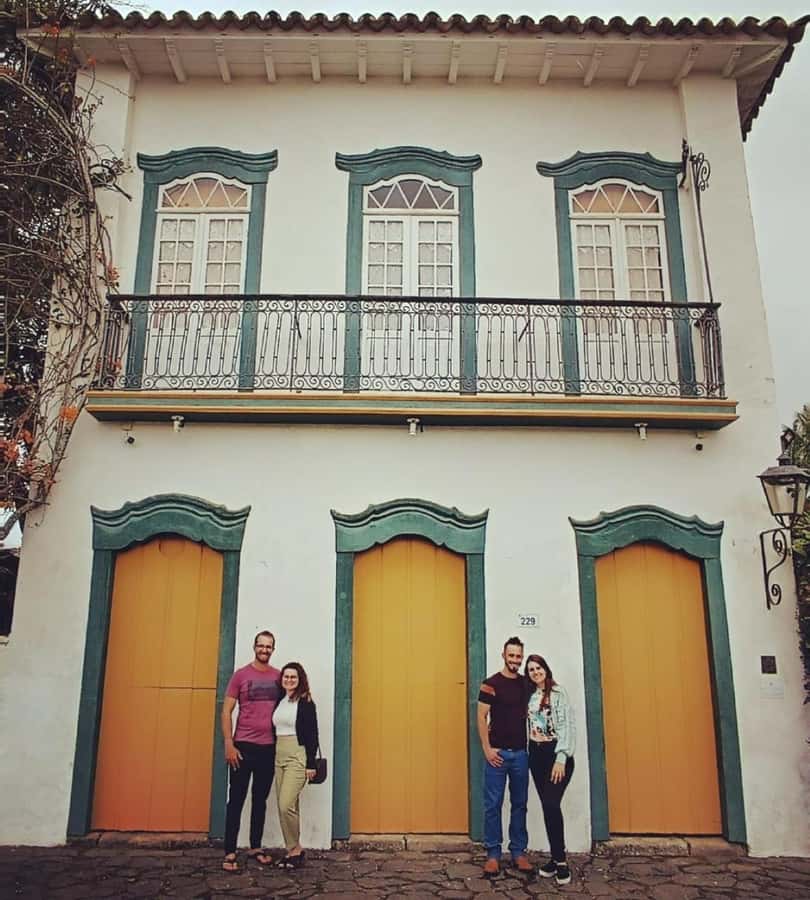
Yes, if you want orientation and context at a low cost. Paraty can be enjoyed by wandering alone, but the town’s details are easier to understand when someone explains the buildings, legends, Masonic references, and cultural venues as you go.
The price is especially reasonable for a small group capped at 10 people. A private guide would normally cost more, while a large group can make a historic-center walk feel impersonal. At this price, you are buying a useful introduction rather than a premium experience with guaranteed museum access, extensive tastings, or private attention.
The value falls if your guide spends too much time in unrelated shops, speaks English poorly, or skips the cachaça tasting. These are not minor details. They affect the rhythm and the amount of useful information you receive in a short two-hour window.
Free cancellation up to 24 hours before the activity gives you some flexibility, and you can reserve without paying immediately. Those policies are helpful if your schedule in Paraty may change, but they do not fix an uneven tour experience. The important decision is still whether the activity matches the way you like to explore.
Who will enjoy this walk most?
I would recommend it to a first-time visitor who wants a quick introduction to Paraty before exploring on their own. Two hours is enough to learn the basic story, note the buildings worth revisiting, and get a sense of the town’s cultural character.
It also suits anyone who enjoys old architecture, churches, local legends, craft work, and small cultural venues. The Masonic angle makes it more distinctive than a generic colonial-center walk.
The tour is less suitable for you if:
- You have difficulty walking over uneven cobblestones.
- You use a wheelchair.
- You want a highly academic history tour.
- You dislike possible stops at shops or studios.
- You need guaranteed fluent English and detailed answers to specialist questions.
- You are booking mainly for the cachaça tasting and would be disappointed if it were missed.
The English and Portuguese language choices are useful, but an English-language booking does not guarantee the same level of fluency every time. If precise English explanations are essential, contact the provider before booking and ask who is scheduled to guide your departure.
Practical tips for a better two-hour walk
Wear shoes with good grip. Paraty’s uneven stones are the clearest practical challenge, and comfortable clothing will make the walk easier.
Arrive ready to stay on foot for the full activity. The listed starting and ending point is Paraty Tours at Avenida Roberto Silveira, 7, though the exact meeting point can vary by booking option.
Keep your camera handy, but leave room to listen. The architectural details and views toward Serra da Bocaina National Park are part of the experience, yet the guide’s explanation is what turns a pleasant stroll into a useful tour.
Ask about the cachaça tasting at the start. This gives you a clear expectation and lets the guide know that the feature matters to you.
If your English is limited, Portuguese is also available. If your Portuguese is limited, prepare a few questions in advance and keep them simple. That may help if the guide’s English is less fluent than expected.
Should you book the Paraty Historic District walk?
Book it if you want an affordable, short introduction to Paraty’s colonial center and you are comfortable with an experience that may vary by guide. The strongest reasons are the small group, the clear cultural focus, the Masonic architecture, and the chance to finish with cachaça.
I would not book it solely for a guaranteed tasting or a perfectly structured history lesson. The uneven feedback shows that the experience can be informative and enjoyable, but it can also lose focus. For $15, the risk is modest, especially with free cancellation up to 24 hours ahead.
My advice is simple: choose this walk early in your Paraty stay, wear serious shoes, and use the guide to get your bearings. If the storytelling clicks, you will have a better sense of which churches, cultural spaces, studios, and streets deserve a second look on your own.
FAQ
How long does the Paraty Historic District tour last?
The walking tour lasts two hours.
How much does the tour cost?
The listed price is $15 per person.
What is included in the experience?
The price includes the walking tour, a cachaça tasting, and a specialized guide.
Is the tour offered in English?
Yes. Live guiding is available in English and Portuguese.
How many people can join the group?
The group is limited to 10 participants.
Where does the tour start?
The listed starting location is Paraty Tours at Avenida Roberto Silveira, 7, Paraty. The exact meeting point may vary depending on the option booked.
Is the cachaça tasting included?
Yes, cachaça tasting is included. One participant did not receive the tasting, so it is sensible to confirm the timing with the guide at the start.
Is the tour suitable for wheelchair users?
No. The experience is not suitable for wheelchair users or people with mobility impairments because it takes place on foot over uneven historic streets.
More Walking Tours in the world
- Nassau: Rum Tastings and Culinary Walking Tour
★ 4.9 · 200 reviews - EAST MADEIRA:,Peaks, Forest walk,Thatched Roofs, Rum factory
★ 4.9 · 32 reviews - Intensive Old San Juan Opulent Coffee/Rum/Tastings Walking Tour
★ 5.0 · 11 reviews
More History Tours in the world
- St. Nicholas Abbey Heritage Great House and Rum Distillery Tour
★ 4.5 · 257 reviews - Villainous History and Rum Tasting Tour in York Indoor Experience
★ 5.0 · 111 reviews - Paraty: Historic Centre Walking Tour & Cachaça Tasting
★ 4.8 · 96 reviews - Historical Tour with Cachaça Tasting – BY PARATY TOURS
★ 5.0 · 40 reviews
Just added around the world
- Appleton Estate Rum Tour and Tasting from Falmouth★ 4.5 · 2 reviews
- Kombucha Rum and Craft Beer Private Tour★ 3.5 · 6 reviews
- Appleton Estate Rum Tour and Tasting from Runaway Bay★ 5.0 · 3 reviews
- Old San Juan Private Tour with Barrilito Rum Experience★ 5.0 · 4 reviews
- Rum & Chocolate Tasting Tour : Journey into Flavor★ 5.0 · 6 reviews
- Guided Shopping Tour – Rum tasting, chocolate factory, Cigar factory★ 4.5 · 6 reviews
- Discover Dominican Treasures: Rum, Cigars, Coffee & Chocolate★ 3.0 · 5 reviews
- Puerto Plata: City Tour with Rum, Chocolate and Cigars★ 5.0 · 2 reviews
Cachaca and Rhum Agricole Tours, compared.

Pub Crawl in Lapa with Cachaça Tasting and Live Samba
Read our review →

Jungle Waterfalls and Cachaça Distillery Jeep Tour
Read our review →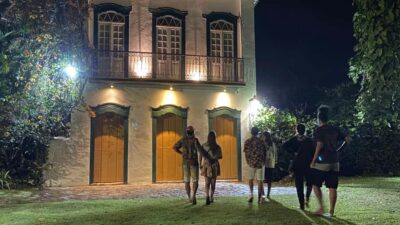
Historical Tour with Cachaça Tasting – BY PARATY TOURS
Read our review →
Full-Day Jungle Jeep Waterfall and Cachaça Distillery Tour
Read our review →

The lists this tour appears in