
REVIEW · BARBADOS RUM TOURS
Bridgetown: Stade’s Rum Distillery Tour
Rum tastes better by the sea. Stade’s Rum Distillery pairs a working Barbadian distillery with a barrel tasting and a beachside deck overlooking the Caribbean. I like the mix of old equipment and active production, especially Pot Still Alley and the warehouse holding about 15,000 wooden barrels. I also like that your five-rum tasting includes one pour straight from the cask, rather than only polished samples at a bar.
The one-hour tour is compact but full, with a welcome cocktail, guided walk, and five rum samples. The main drawback is that the route is not suitable for people with mobility issues, and the official age rule excludes anyone under 18, even though one review describes a family visit with a young child.
Key things to know before you go
- The oldest surviving pot still: Pot Still Alley includes vintage equipment, including what is described as the oldest surviving pot still in the world.
- A tasting inside the barrel warehouse: You sample one rum directly from the cask in the Ageing Bond, surrounded by thousands of barrels.
- Four more pours by the Caribbean: The remaining tasting takes place on a raised deck facing the sea.
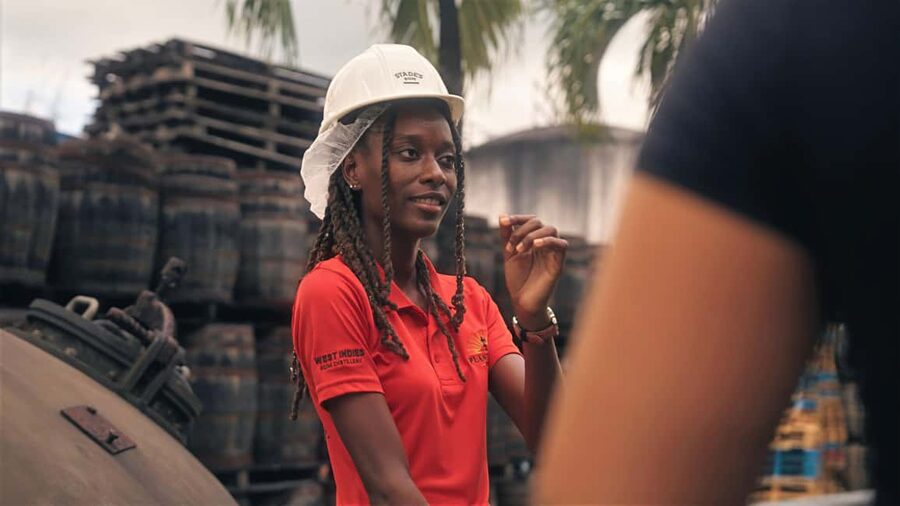
- A genuine working distillery: This is not only a museum visit. You may see the daily production areas and the teams making Stade’s and Planteray rums.
- Beach facilities add value: Changing rooms, showers, lockers, a beach club, loungers, and umbrellas make it possible to stay after the tour.
- Close to Bridgetown’s cruise area: The distillery is about 3.5 kilometers from the cruise terminal, according to one detailed visit account.
A short tour with a lot packed into it
At $90 per person, Stade’s Rum Distillery is not a bargain basement tasting. You are paying for a guided tour, a welcome cocktail, five rum samples, access to a historic production site, and the setting on Brighton Beach. The price makes the most sense if you care about rum production and plan to enjoy the beach facilities afterward.
The official tour lasts one hour. That is enough time for a useful introduction, but not enough for a slow, all-day distillery visit. You will need to stay with the guide and pay attention to the tasting sequence. If you want a relaxed beach day with a little rum education, the experience works well. If your only goal is a quick drink, you can spend less elsewhere.
The welcome drink helps set the tone. It gives you an early taste of how Stade’s white and dark rums work together in a cocktail. Water is also provided, which matters when you are tasting spirits in Barbados heat.
The tour is conducted in English. The setting shifts between indoor and outdoor areas, so bring comfortable closed-toe shoes, a reusable water bottle, and clothes that can handle both a distillery floor and a beach. A change of clothes, towel, swimwear, T-shirt, and long pants are all sensible choices.
More Rum Distillery Tours in Barbados:
- Mount Gay Signature Rum Tasting Experience
★ 5.0 · 640 reviews - St. Nicholas Abbey Heritage Great House and Rum Distillery Tour
★ 4.5 · 257 reviews - Stade’s Rum Distillery Tour Experience
★ 5.0 · 109 reviews
George Stade’s 1893 distillery
The story begins with George Stade, who founded the distillery in 1893. That date gives the visit useful context. You are not walking through a modern tasting room built only for tourists. You are entering a Barbadian rum-making site with more than a century of production behind it.
The distillery is now home to both Stade’s Rum and Planteray Rum. The introduction covers the two ranges, giving you a chance to understand that they are related to the same location but presented as distinct rum lines.
I like this beginning because it connects the drink in your glass to the place where it is made. Barbados rum is not simply a souvenir bottle. It is part of the island’s farming, trade, craft, and social life. The guide’s job is to explain that process without turning the visit into a lecture, and the high scores for the staff and tour guide suggest the presentation is a strong part of the experience.
You should expect a practical tour rather than a formal museum display. The distillery areas may change or be limited if weather or other unforeseen conditions affect operations. That matters here because part of the appeal comes from moving between working indoor spaces and the open-air coast.
Pot Still Alley and the old machinery
Pot Still Alley is one of the most distinctive stops. It displays a group of vintage stills, including the oldest surviving pot still in the world, according to the experience description.
For a rum beginner, a pot still can look like a large piece of industrial plumbing. The guide should help you understand why it matters. Still design affects how spirit is produced and how much character carries into the finished rum. Seeing older equipment beside an active distillery makes the process easier to picture than a tasting alone.
This is also where the tour gains a sense of place. Many alcohol tours focus on labels and branding. Here, the machinery gives you something solid to look at while you learn. I would pay attention to the shape, size, and age of the equipment, then connect those details to the samples served later.
The route may not suit everyone. Floors, stairs, outdoor paths, and working areas can be difficult for people with limited mobility. Wheelchair access is available to the merchandise shop and Beach Club, but the tour itself is not suitable for wheelchair users or people with mobility impairments.
The Distiller’s Vault and a record of experiments
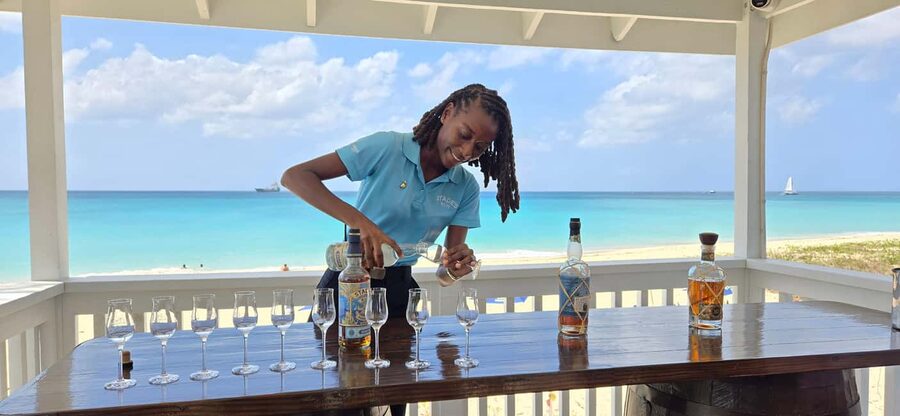
The Distiller’s Vault holds recipes, blueprints, and experiments from several generations of rum production. This stop is valuable because it shows the thinking behind the spirit, not just the machinery.
Recipes and technical drawings tell you that rum production depends on repeated testing. Small changes in equipment, fermentation, distillation, and ageing can affect what reaches the bottle. You do not need a trained palate to appreciate this. The vault gives you a reason to compare the rums later instead of treating every pour as simply sweet or strong.
I would listen for how the guide explains the relationship between tradition and change. A historic distillery does not mean every method has stayed frozen since 1893. The site continues to produce rum, and the tour gives you a look at the people and work involved today.
Because the tour is only an hour, this portion will likely be brief. That is useful for keeping the pace moving, but anyone fascinated by documents and production history may wish for more time.
A few more rum tours around Barbados worth a look
- Discover Rum Barbados Tour
★ 5.0 · 176 reviews - Stade’s and Planteray Rum Tasting and Beach Experience
★ 5.0 · 115 reviews - Barbados: Rum Distillery Tour and Mount Gay Visitor Center
★ 4.7 · 97 reviews - Nature Trail, Tram & Rum Tasting at Harrison’s Cave by Chukka
★ 4.5 · 48 reviews
The Ageing Bond and a dram from the cask
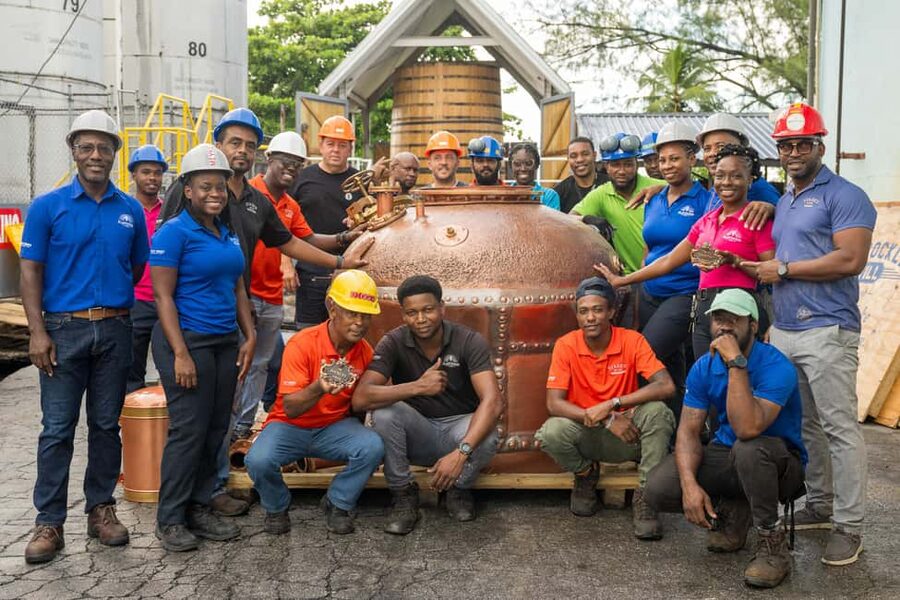
The warehouse is the tour’s strongest sensory stop. The Ageing Bond contains rows of wooden barrels, with one detailed account describing roughly 15,000 casks. You receive a taste straight from the barrel here.
That direct pour changes the experience. A bottle on a shelf has already passed through blending, labeling, and distribution. A cask sample feels closer to the production process. You can consider how the wood, time, and spirit work together before the rum reaches its final presentation.
The warehouse may also be the most atmospheric part of the visit. It is a working storage area, not a themed bar. The smell of wood and ageing spirit, the rows of casks, and the sense of scale give the tasting a physical setting.
Drink slowly. Five samples plus a welcome cocktail can catch up with you, especially in a warm climate. The experience does not allow intoxication, and it is wise to treat the tasting as a guided comparison rather than a race.
The barrel sample is only one of the five rums. The other four are served later on the deck, where the surroundings shift from dark wood and storage racks to bright sea and open air.
Four rums facing the Caribbean Sea
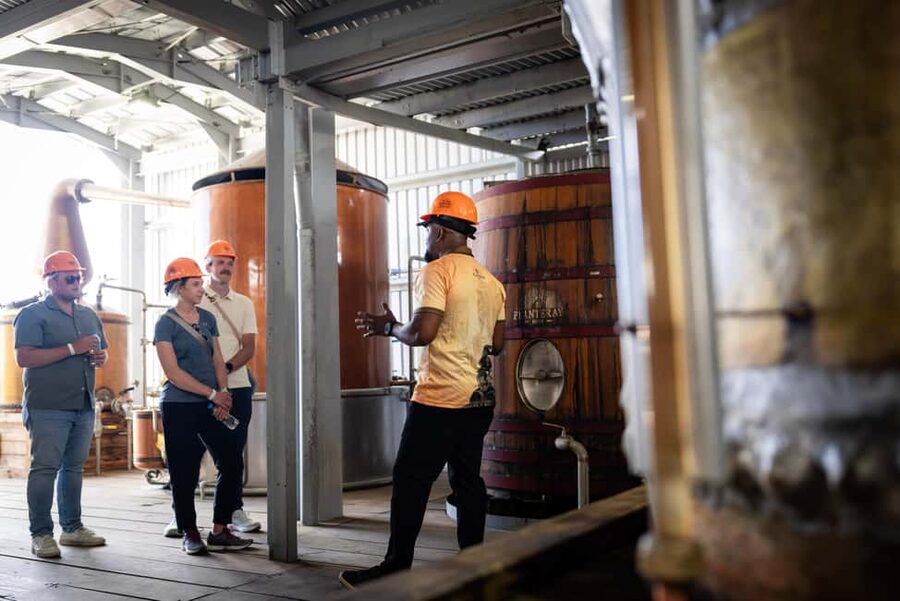
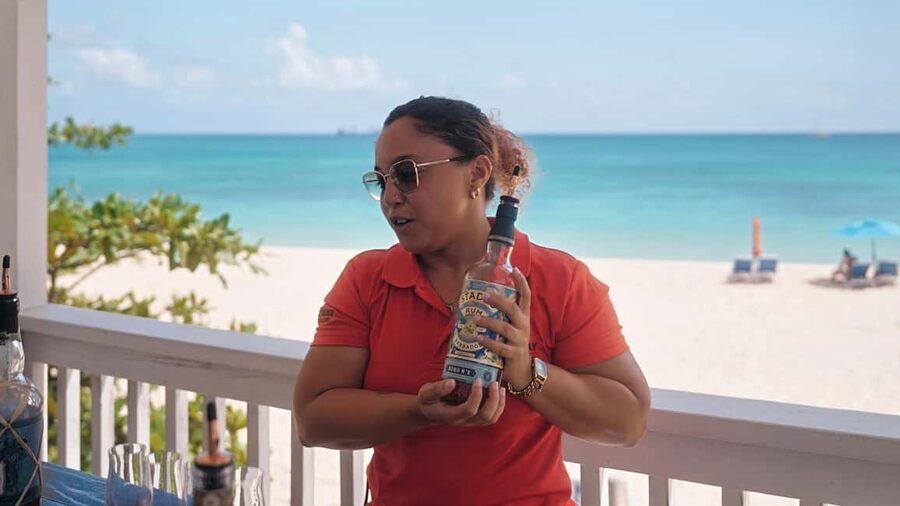
After the warehouse, you taste four rums on the deck facing the Caribbean. This is where the tour becomes distinctly Barbadian. The rum is the focus, but the sea gives the final tasting a relaxed sense of place.
The deck is also a good spot to compare the samples. Notice the differences between the rums rather than trying to pick a single winner. If you already know rum, the range should give you enough variety to think about production and ageing. If you are new to rum, ask the guide to explain what you are tasting and why the samples differ.
One especially useful detail is the welcome rum punch, made with Stade’s white and dark rum. It was praised as a particularly successful blend, and it gives you a practical example of how the two styles work in a mixed drink. The cocktail is easier to understand after tasting the spirits on their own.
The coastal position is a major part of the value. Barbados has no shortage of rum bars, but a tasting with the Caribbean directly in front of you feels tied to the island. The view is not an extra background detail. It helps make the final portion feel like a proper Barbados experience rather than an indoor product demonstration.
Staying for the beach after the tour
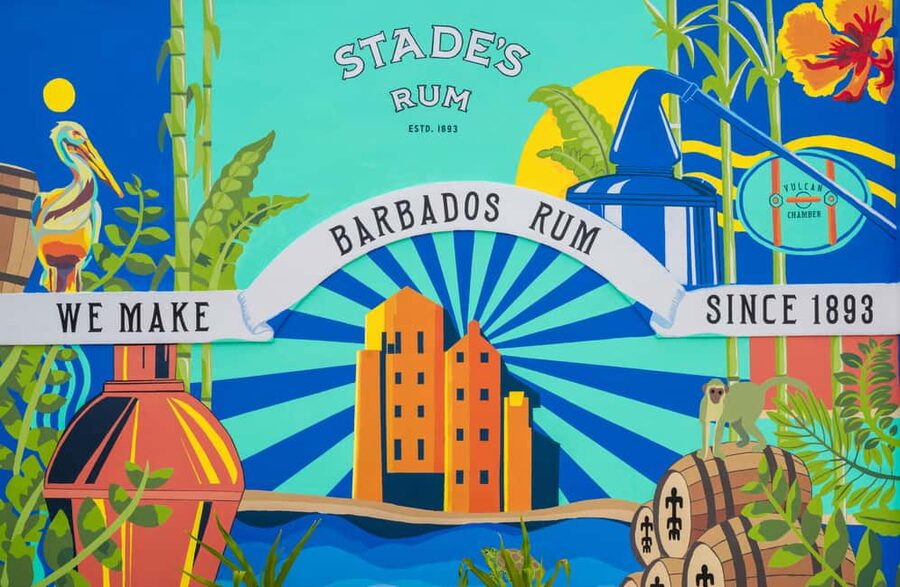
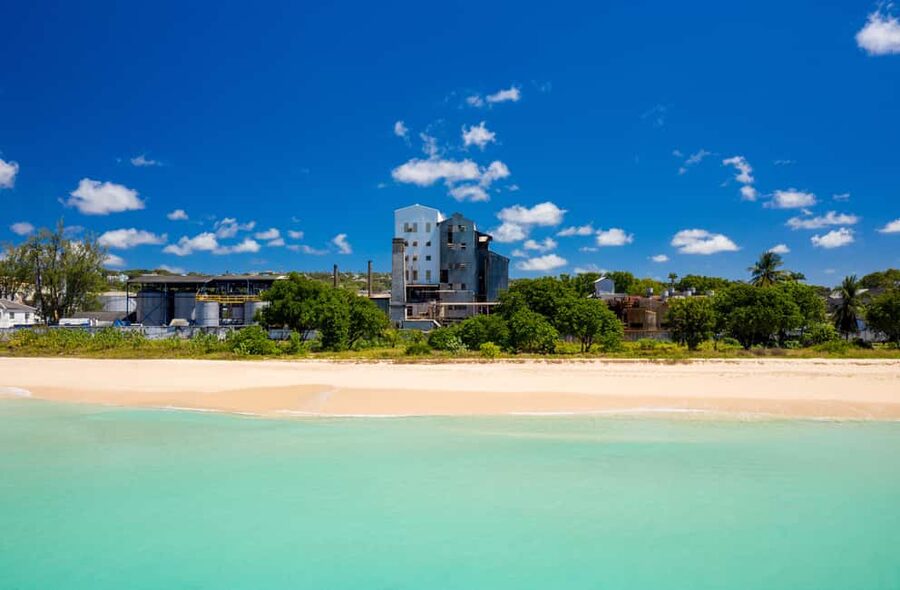
You can continue at the beach after the guided hour. Brighton Beach is directly in front of the distillery, with loungers and umbrellas available according to the detailed visit information. The site also has a Beach Club, changing facilities, showers, and lockers.
This changes how I judge the $90 price. If you arrive, take the tour, and leave immediately, it is a fairly expensive one-hour activity. If you use the beach, have a cocktail, and enjoy the facilities afterward, the day feels more worthwhile.
The beach club serves cocktails made with the house rums, along with food such as burgers, chicken, salads, and snacks. These details make the experience practical for a longer stop, especially if you are spending the day near Bridgetown.
I would bring a towel and a change of clothes even if you are unsure about swimming. You may prefer to keep the tour clothes dry and comfortable, then use the beach facilities afterward. Bare feet are not allowed during the tour, so closed-toe shoes are essential for the distillery portion.
The coastal location also makes timing important. If you are visiting from a cruise ship, the short distance from the terminal is useful, but you still need to allow time for transportation, the one-hour tour, beach time, and a safe return to the ship. The tour itself does not promise transportation.
Who will enjoy Stade’s Rum Distillery
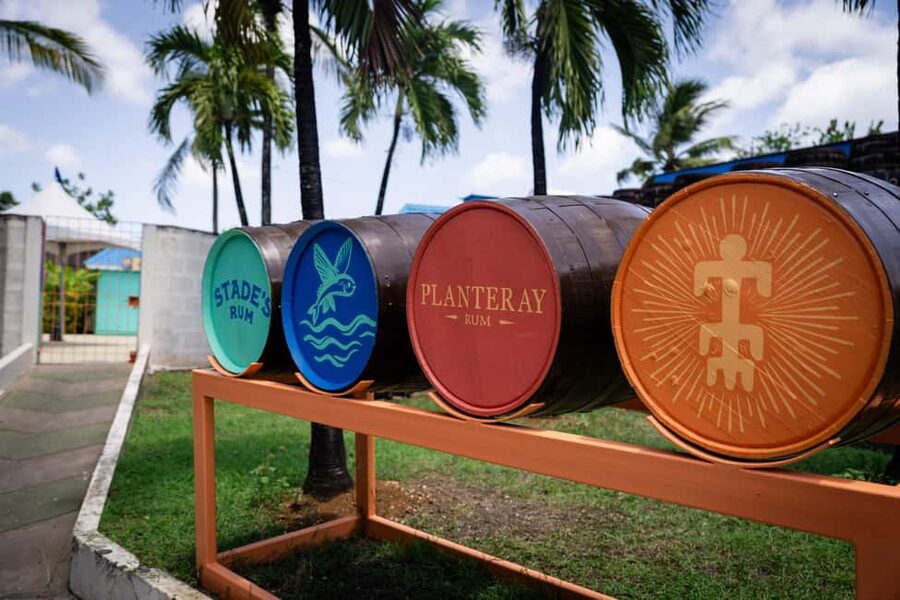
I would recommend this for adults who want more than a rum punch and a souvenir bottle. It suits people who enjoy production, old machinery, barrel ageing, and tastings with a strong sense of place.
Rum enthusiasts should find enough detail to make the visit worthwhile. One experienced rum drinker described the tour as excellent, while first-time tasters can still follow the basic story through the guide, the stills, the barrels, and the five samples.
It is also a good fit if you want one activity that combines culture and beach time. You do not need to plan a separate beach stop if you use the facilities after the tour.
I would not choose it for anyone under 18, pregnant people, or anyone who has difficulty walking through indoor and outdoor distillery areas. The stated restrictions also exclude babies under one year and people over 70. One review describes a young child accompanying a family visit, but the official activity information says children under 18 are not suitable, so you should follow the stated rule when booking.
The tour is not designed for intoxicated participants. That is sensible, but it also means you should plan to pace yourself and drink water between samples.
Practical details that affect your choice
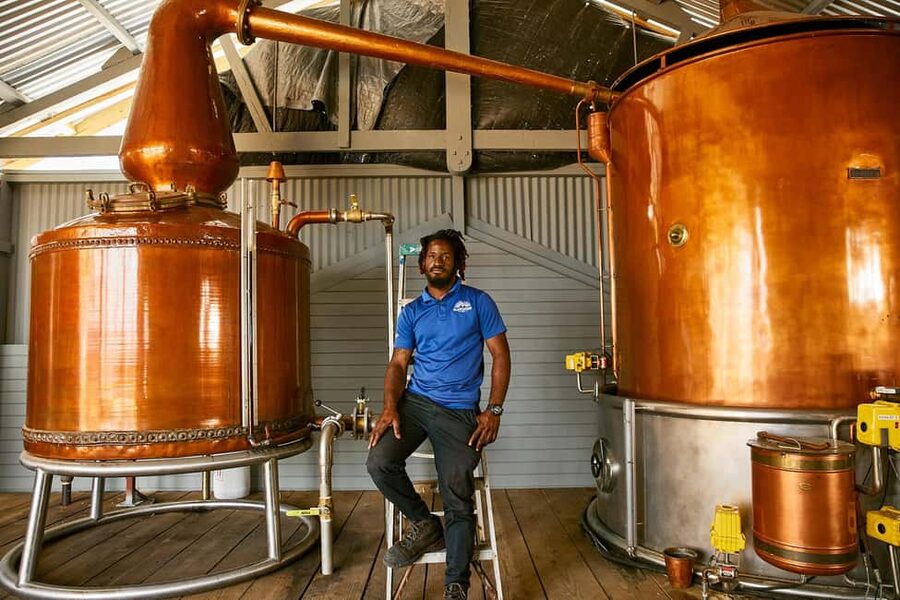
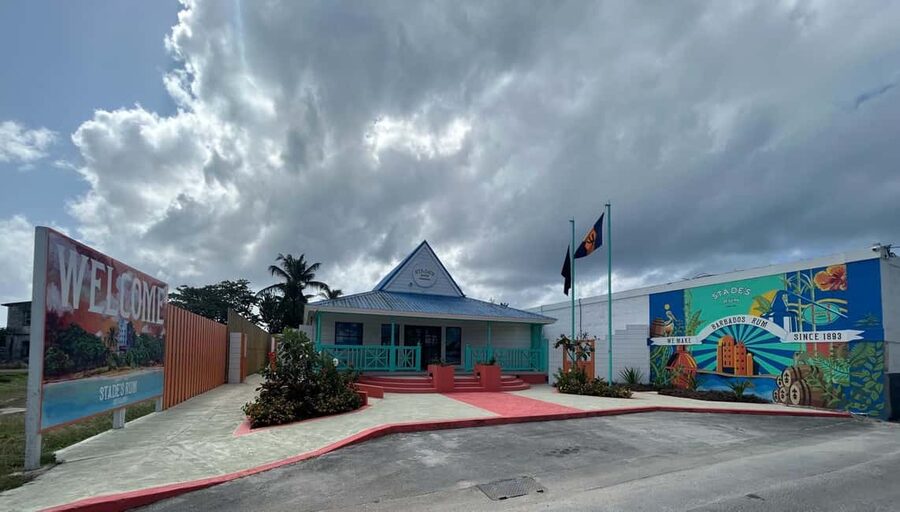
The meeting point is marked by the Stade’s West Indies Rum Distillery mural or the Home of Planteray signage. Parking is opposite the Visitors Centre.
Wear closed-toe shoes and comfortable clothing. Long pants may be useful in working areas, while beachwear and a towel make sense if you plan to stay afterward. Bring a credit card for purchases, food, or drinks, and use the available water to pace the tasting.
The activity runs indoors and outdoors. Weather can alter access to parts of the facility, so keep your plans flexible. Free cancellation is available up to 24 hours before the experience, and you can reserve now and pay later.
The overall rating is 4.7 from 11 reviews, with repeated praise for the staff, the guide, the barrel tasting, the rum punch, and the sea view. The strongest praise is not about one fancy feature. It is about the combination of friendly service, real production areas, good samples, and a beach you can enjoy after the tour.
Should you book it?
Book Stade’s Rum Distillery if you want a working distillery visit, a cask tasting, and Caribbean scenery in one compact outing. At $90, it offers fair value when you stay for the beach club, showers, loungers, cocktails, and food.
Skip it if you only want a cheap drink, need full wheelchair access, or prefer a long and highly technical distillery session. For most adults interested in Barbados rum, the old stills, the 15,000-barrel warehouse, and the sea-facing tasting make this one of the more memorable ways to connect the island’s rum tradition with its coastline.
FAQ
Where is Stade’s Rum Distillery located?
It is at West Indies Rum Distillery in Christ Church, Barbados, on the coast near Brighton Beach. The meeting point is marked by the Stade’s mural or Home of Planteray signage.
How long does the tour last?
The guided experience lasts one hour.
What is included in the tasting?
You receive a welcome cocktail and water, one rum tasted directly from the barrel in the Ageing Bond, and four additional rum samples on the deck facing the Caribbean Sea.
Which rums are introduced during the tour?
The tour introduces the Stade’s Rum and Planteray Rum ranges.
Is the tour conducted in English?
Yes. The live tour guide speaks English.
Can children join the experience?
The official information says the activity is not suitable for children under 18. It also lists pregnant people, wheelchair users, people with mobility impairments, babies under one year, and people over 70 as unsuitable for the activity.
What should I bring?
Bring comfortable closed-toe shoes, a towel, beachwear, a T-shirt, long pants, a reusable water bottle, a credit card, and a change of clothes. Changing facilities, showers, and lockers are available.
Just added around Barbados
- Barbados: Speightstown, St. Nicholas Abbey & Rum Tour★ 4.2 · 5 reviews
- Private All Inclusive Rum Journey in Barbados★ 5.0 · 15 reviews
- Barbados Highlights and Rum Tour★ 4.5 · 17 reviews
- From Saint James/Christ Church: The Story Of Rum Tour★ 4.5 · 19 reviews
- Barbados: Trail, Tram & Rum Experience★ 3.7 · 22 reviews
- Monkey Feeding & Historic Sugar Plantation & Rum Distillery★ 4.7 · 31 reviews
- Monkey Zipline and Rum Tasting Tour at Harrison’s Cave by Chukka★ 5.0 · 14 reviews
- Discover Rum Barbados Tour★ 5.0 · 176 reviews
Rum Distillery Tours, compared.
Full-Day Tour: Concord Waterfall, Chocolate Factory, Rum Distillery, Grand Etang
Read our review →
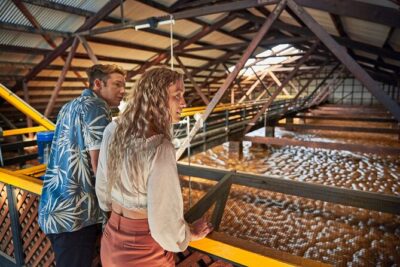
Bundaberg Rum Behind The Scenes Distillery Tour And Museum Experience
Read our review →
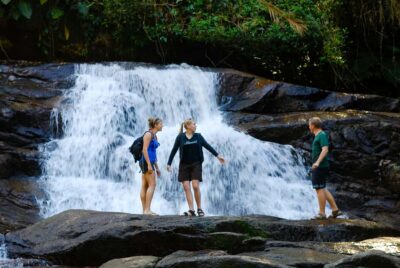
Jungle Waterfalls and Cachaça Distillery Jeep Tour
Read our review →
St. Nicholas Abbey Heritage Great House and Rum Distillery Tour
Read our review →
Kō Hana Hawaiian Rum Distillery Tour and Tasting for One
Read our review →
The lists this tour appears in